Bringing younger and older generations together can do much more than create an enjoyable afternoon.
Intergenerational programs can help challenge assumptions about ageing, build relationships and give older people opportunities to stay connected with the broader community.
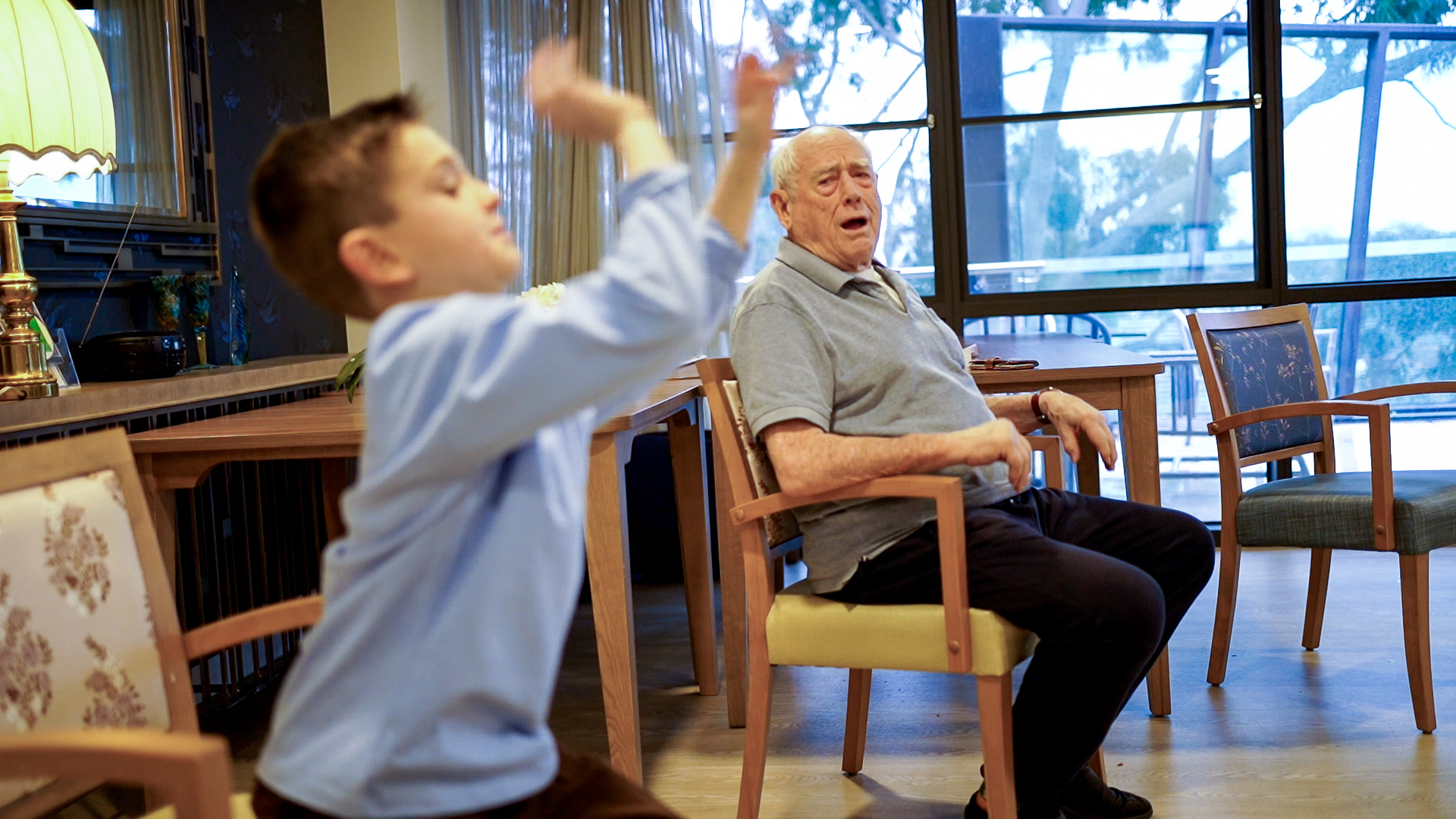
Visits from schools and community groups bring younger people into our homes to spend time with residents through shared activities, conversations and experiences.
Challenging perceptions of ageing
One of the benefits of intergenerational connection is its ability to challenge ageism.
The World Health Organization identifies intergenerational contact as one of three proven strategies for addressing ageism, alongside education and changes to policy and law.
Rather than forming views about ageing from a distance, younger people have the opportunity to get to know older people as individuals – their personalities, interests, knowledge and experiences.
The benefits extend to older people too. Research into intergenerational programs in aged care has found they can support wellbeing and social inclusion, while creating opportunities for meaningful connection.
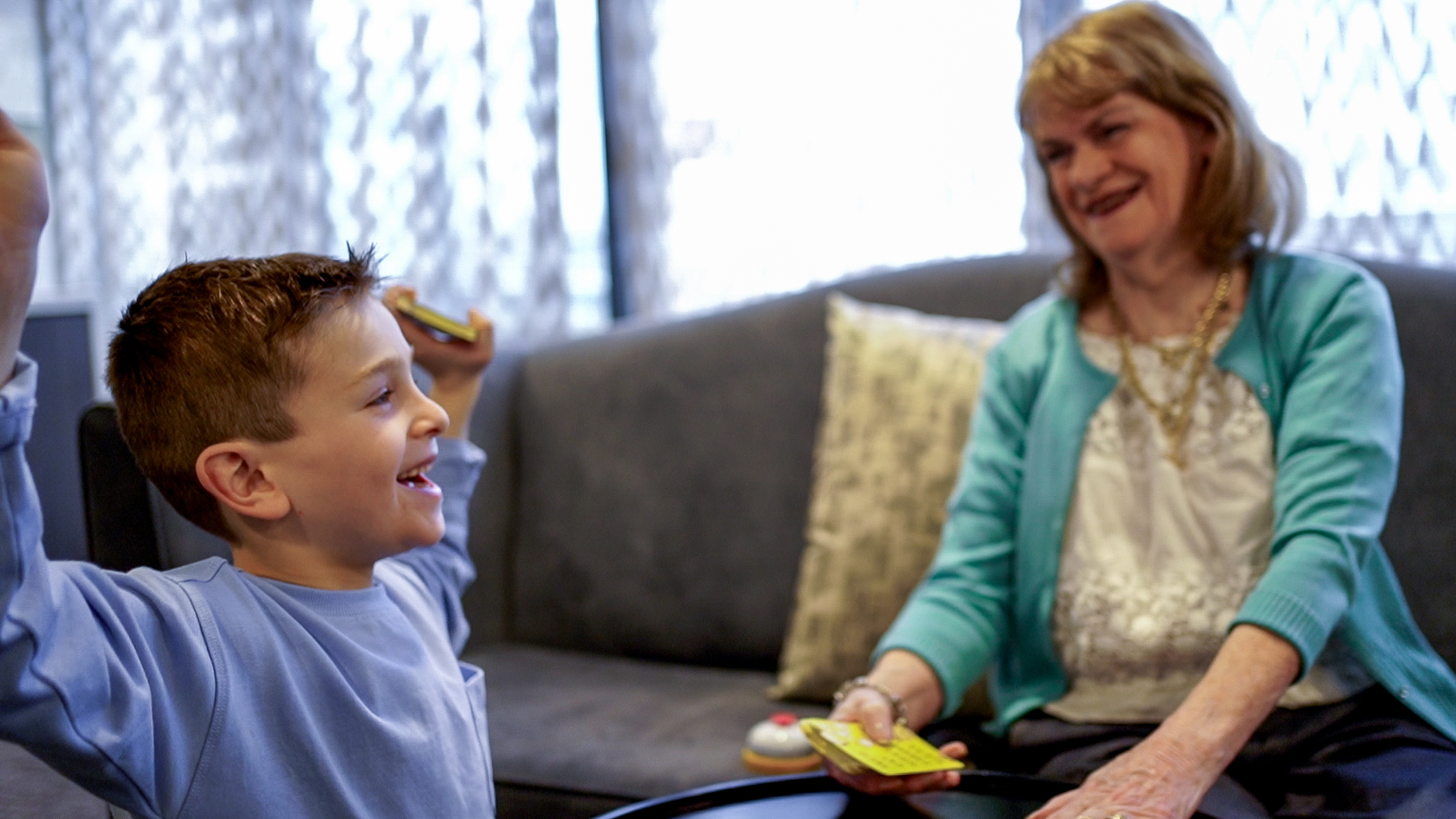
Learning from each other
Intergenerational programs aren’t simply about older people passing their knowledge and experience on to younger generations.
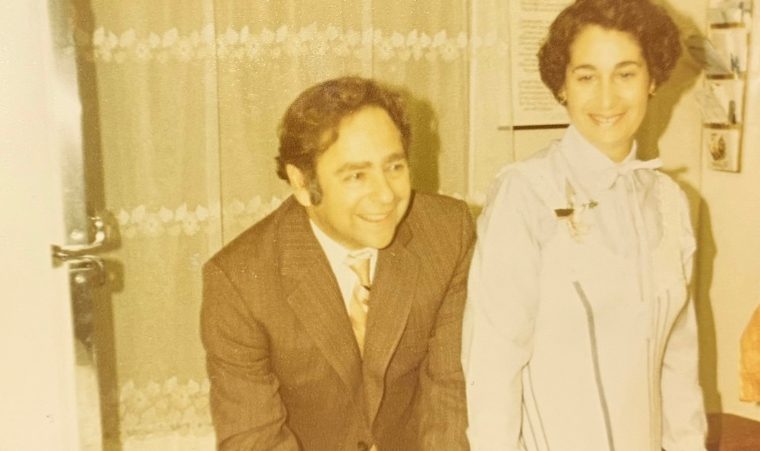
Residents may share memories, skills and perspectives developed over a lifetime, while younger people bring different interests, ideas and experiences of their own.
At Regis homes around the country, visits from younger generations give residents opportunities to meet new people and build relationships beyond their immediate peer group. For younger visitors, spending time with residents can help build confidence and familiarity with older people and challenge assumptions about what ageing looks like.
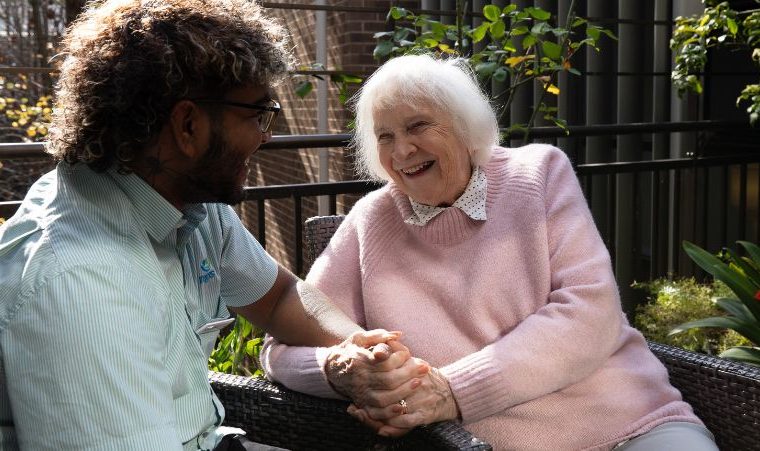
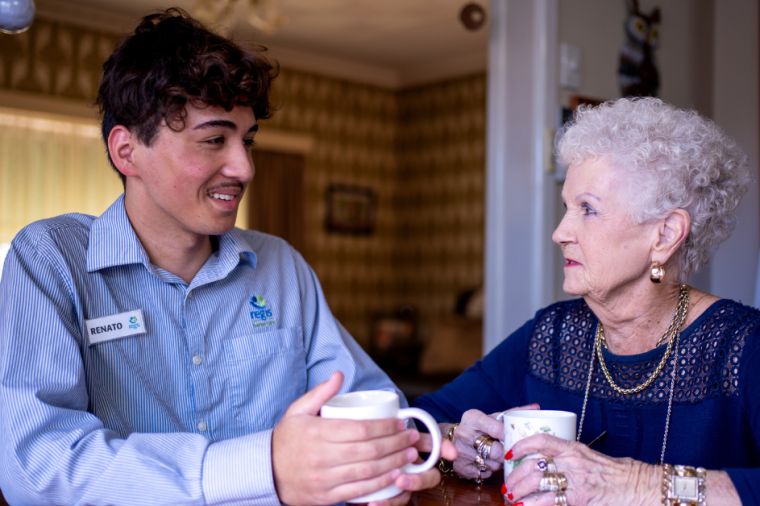
The activity itself might be simple. What matters is the connection it creates – two people from different generations talking, learning from each other and perhaps discovering they have more in common than they expected.